
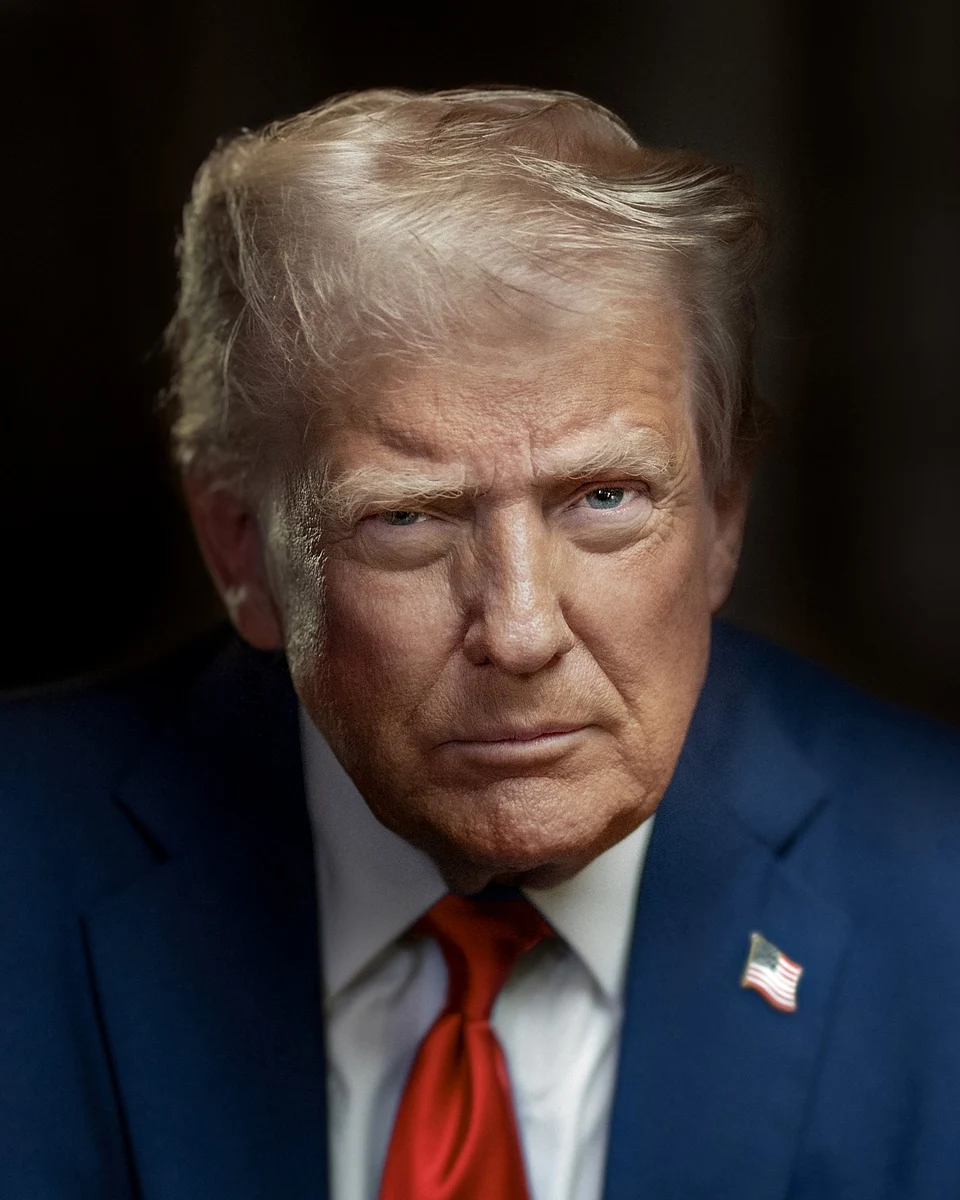
A swirl of online speculation over Labor Day weekend claimed President Donald Trump had died. A rumor that rocketed across social media before being swiftly debunked after the president appeared in public on Saturday.
The hashtag #TrumpIsDead trended on multiple platforms late Friday and into Saturday, fueled by the White House’s unusually blank public schedule and visible signs of the president’s health struggles in recent weeks. But by late Saturday afternoon, Trump was photographed leaving the White House with his granddaughter and later spotted at Trump National Golf Club in Virginia, putting an end to the chatter.

How the Rumor Took Off
The rumors first surfaced on Friday evening (Aug. 29) when sharp-eyed users noticed the president’s official schedule was left empty for the long weekend. Within hours, social media lit up with speculation, with “Trump death” searches spiking on Google and TikTok edits memorializing the president gaining millions of views.
Adding fuel to the fire were recent images of Trump showing bruising on his hands and swelling in his ankles, leading to amateur diagnoses online. The speculation gained additional traction after Vice President J.D. Vance made comments earlier in the week that he was “prepared to serve if called upon,” which some users interpreted as a hint of imminent transition.
By Saturday morning, the rumor had metastasized across platforms, amplified by both sincere concern and tongue-in-cheek memes.
Timeline of Debunking
- Saturday, 1 p.m. ET: Photographers captured Trump departing the White House with his granddaughter Arabella Kushner, contradicting claims that he was incapacitated or worse.
- Saturday afternoon: Trump was later seen arriving at Trump National Golf Club in Sterling, Va., where he waved to onlookers and reporters.
- White House clarification: A senior official told reporters that the bruising on Trump’s hands was from routine handshakes and aspirin use, while the swelling in his ankles was linked to chronic venous insufficiency, a non-life-threatening condition common in older adults.
- Sunday: Trump’s physician issued a brief statement reiterating the president’s condition was stable and dismissing the online speculation as “false and reckless.”
The rumor cycle, which had peaked only hours earlier, quickly dissipated as the images and official statements spread.
Why It Matters
The episode underscores the fragility of public trust in official information and the speed at which misinformation circulates in a polarized political climate.
Unlike rumors of celebrity deaths that fade quickly, speculation about the sitting president’s health carries immediate consequences for markets, governance, and international affairs. Analysts note that even a short-lived rumor can affect diplomatic perceptions and domestic stability.
This also highlights the growing public demand for transparency regarding presidential health. Trump, who is 79, has faced increasing scrutiny after several public appearances showed him appearing fatigued. The White House’s minimal disclosures only fed suspicion.
Expert Voices and Digital Context
Media experts say the Trump death rumor is a textbook example of how digital rumor dynamics unfold.
“Rumors thrive in a vacuum,” said Dr. Alexis Heller, a professor of media studies at Georgetown University. “When the White House offers silence or vague statements, people fill that void with speculation — and platforms reward the most sensational takes.”
Sociologists note that partisan divides also shape rumor interpretation. Trump supporters largely dismissed the hashtag as a smear campaign, while detractors eagerly speculated on succession and Vice President Vance’s potential rise.
“The reaction reveals less about Trump’s health and more about the public’s deep mistrust of institutions,” said Dr. Michael Tran, a political sociologist at the University of California, Berkeley. “We are seeing health transparency become a new battlefield in political legitimacy.”
The Bigger Picture
The #TrumpIsDead episode is the latest reminder of the power of online narratives to outpace facts — and the need for citizens to approach viral claims with skepticism. While this rumor was quickly debunked, it raises pressing questions about how presidential health is communicated, and how easily misinformation can shape national conversation.
As one commentator put it on X (formerly Twitter): “The president went golfing. The internet buried him first.”