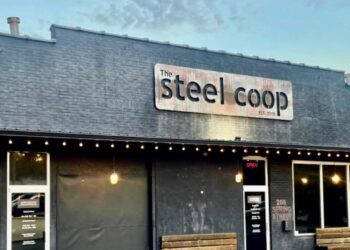

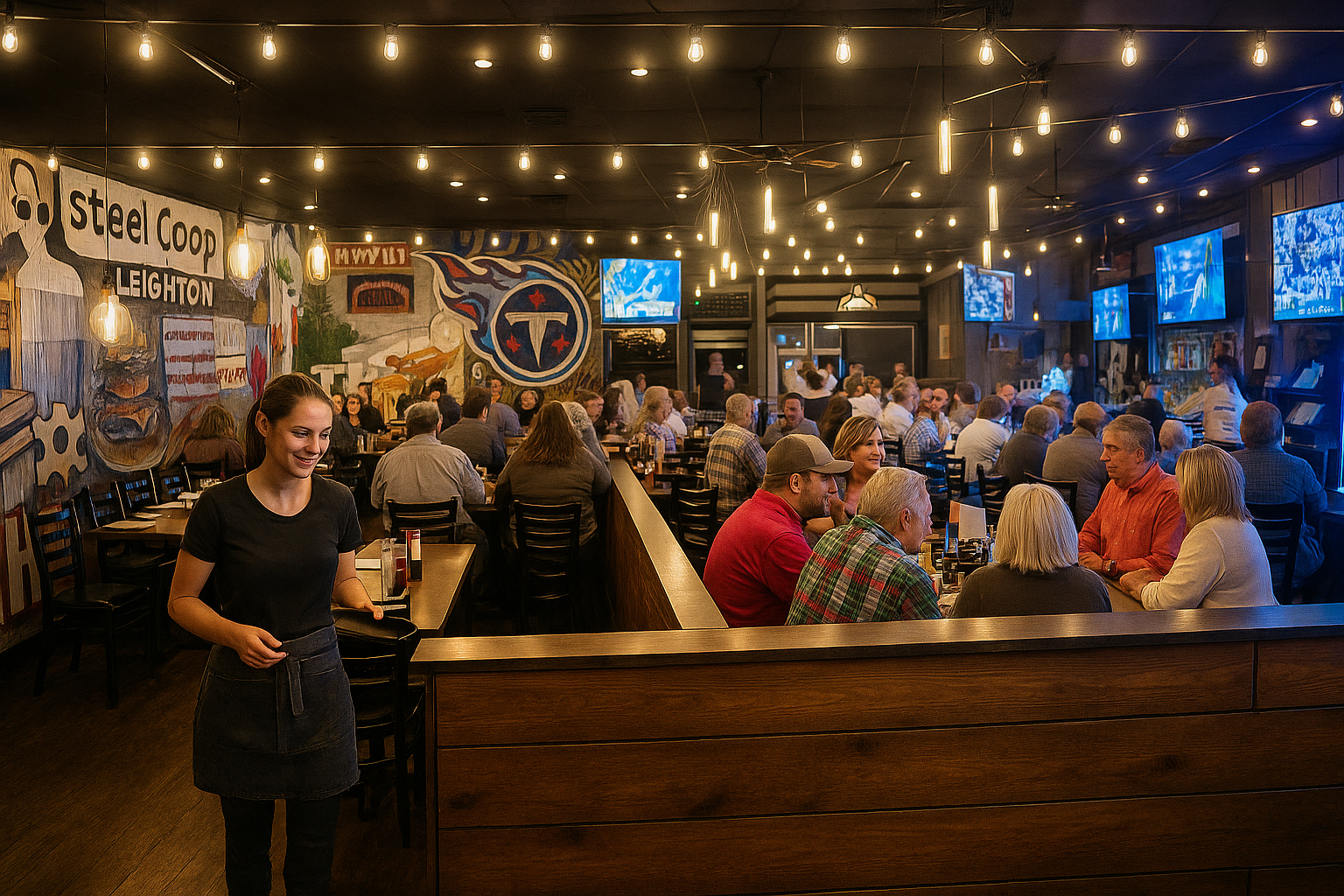
LIVINGSTON, Tenn. — A restaurant that helped secure millions in pandemic payroll relief for a network of Cooper family businesses is now paying nearly half a million dollars to settle claims it cheated its own workers.
Court filings show The Steel Coop LLC agreed to a $475,000 settlement in a collective wage-and-hour lawsuit covering servers and bartenders employed between 2021 and 2025. The employees alleged they were not paid full minimum wage, were improperly subjected to tip-credit practices, and were required to perform large amounts of non-tipped work at subminimum pay rates.
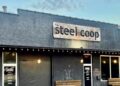
The agreement comes less than two years after The Steel Coop and three other Cooper-owned entities, a recycling company, a deli, and a tire shop had more than $1.74 million in federal Paycheck Protection Program loans forgiven. Those loans were intended to protect payroll during the COVID-19 crisis.
Now, with forgiveness in the rearview and a settlement on the books, a sharper question emerges: if taxpayer-backed loans were supposed to preserve wages, why are workers still recovering back pay through the courts?
Pandemic Relief Meets Wage Theft Allegations
According to federal PPP records, the Cooper family’s companies — Cooper Recycling, Hwy 111 Station & Deli, Hwy Tire, and The Steel Coop — drew down more than $1.73 million in forgivable loans, later forgiven with interest totaling more than $1.74 million. On paper, nearly every dollar was allocated to payroll.
Yet at the same time those loans were being forgiven, Steel Coop employees accused the company of systematically underpaying them. The contradiction is stark: while the businesses told the federal government they needed relief to keep staff whole, workers told the court they were denied basic wage protections.
Numbers That Don’t Add Up
The wage theft settlement comes on the heels of UCExaminer’s earlier investigation into anomalies in the Coopers’ PPP filings:
- Headcount jump: Steel Coop reported 9 employees on its first PPP loan but claimed 37 jobs on the second — a quadrupling of staff during a pandemic when many restaurants were cutting back.
- Revenue test: To qualify for second-draw loans, each business had to certify at least a 25% revenue drop in one 2020 quarter versus 2019. Have those claims been substantiated with tax returns and bank records?
- No double-counting: With multiple commonly owned businesses receiving loans, did payroll overlap? If an employee worked shifts at both Steel Coop and Sunset Restaurant, were they counted twice?
Optics of a Houseboat
Adding to the controversy, the Coopers commissioned a multi-million-dollar custom houseboat not long after forgiveness approvals. Owners are free to spend personal money as they choose — but the timing, alongside loan forgiveness and a wage theft settlement, has fueled public skepticism.
Questions That Deserve Answers
The settlement, while not an admission of wrongdoing, raises sharper questions:
- Did PPP dollars really flow to payroll? Where are the payroll registers, IRS 941s, and state wage reports that prove the loans were spent as certified?
- Why the job count spike? How did Steel Coop jump from 9 to 37 reported jobs in one year — was that real hiring, or paper inflation?
- Did every entity truly meet the 25% revenue drop requirement? If not, were loans improperly forgiven?
- How much did lenders actually verify? What documentation did FirstBank and Itria Ventures require before recommending forgiveness?
- How can a business that collected millions in federal payroll aid simultaneously face wage theft claims from its own staff?
Bigger Than One Settlement
This is not just about one family or one restaurant. It is about whether federal pandemic relief did what Congress intended: protect workers’ paychecks.
The Coopers’ companies received public funds. They owe the public a transparent accounting. Payroll ledgers, tax filings, and lender correspondence could resolve doubts. Silence only fuels them.
If everything checks out, the Coopers can put questions to rest. If not, oversight bodies — including the Small Business Administration’s Office of Inspector General and the DOJ’s COVID-19 Fraud Task Force — may have more work to do.